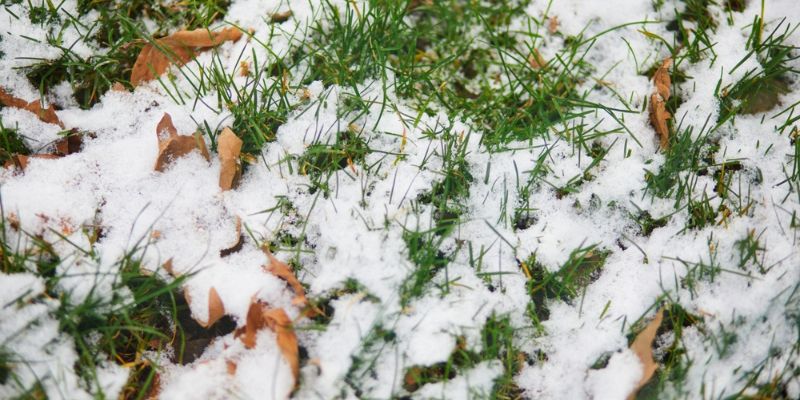
Atlanta winters are mild compared with northern states, yet cool enough to turn warm-season grasses tan and crunchy. If your yard looks tired, you might wonder: “Can I install sod now, or do I have to wait for spring?” Good news—Winter Lawn Prep doesn’t stop when the temperatures dip. With the right strategy, laying dormant sod between November and February can set the stage for a lush green lawn come April. This guide walks you through each step, using proven research and on-the-ground experience to help your turf thrive.
Can You Really Lay Sod in the Cold? Myth-Busting for Atlanta Yards
Some homeowners panic at the idea of installing sod during dormancy, fearing frozen roots. Research from the University of Georgia’s turf specialists shows dormant sodding is safe for Bermuda, Zoysia, centipede, and St. Augustine—provided you follow best practices such as tight seams, quick installation (within 24-48 hours of harvest), and light irrigation to prevent root desiccation.

Winter Lawn Prep: Why It Matters in Atlanta
Winter Lawn Prep isn’t just about appearances. Healthy root systems absorb winter rain, protect soil from erosion, and crowd out weeds before they sprout. Skipping winter maintenance can leave you with compacted clay, weak roots, and fungi in spring.
The Science of Dormant Sod: How Roots Establish in Cool Soil
Soil warmth lingers. Even when the air dips below 50 °F, soil a few inches down often stays 55-60 °F—warm enough for slow root growth.
Lower evapotranspiration. Dormant leaves don’t demand much water, so roots can focus on anchoring rather than surface growth.
Extended rooting window. Laying sod in December gives roots 8-12 weeks to knit before Atlanta’s early-spring growth spurt.
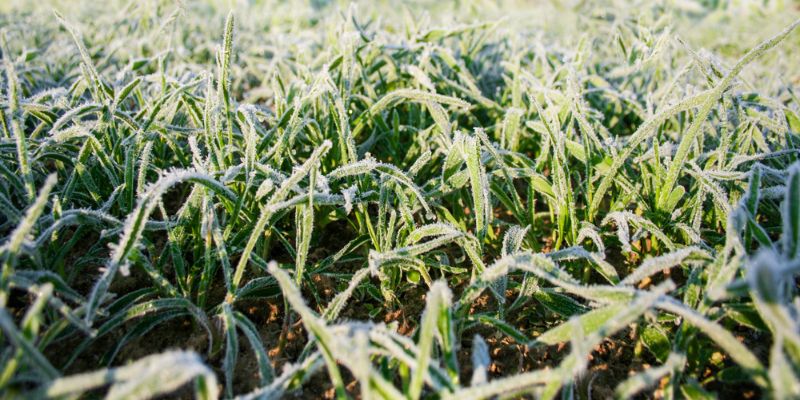
Step-by-Step Dormant Sod Installation (Winter Edition)
- Test & Amend Soil
Pull 3-4 core samples and send to UGA Extension. Adjust pH to 6.0-6.5 with lime or sulfur now—roots benefit before spring. - Measure & Order the Right Grass
Bermuda for sun, Zoysia for moderate shade, centipede for low-maintenance areas. Order 5-10 % extra for cuts. - Timing Window
Best: Late November–late February. Even Fischer Landscape notes winter sod is acceptable when aesthetics or erosion control matter. - Site Prep
Kill weeds, till 3-4 in. deep, rake smooth, remove debris, and lightly moisten soil (not muddy). - Lay the Sod Fast
Start along the longest straight edge. Butt seams tight, stagger joints like bricks, and avoid gaps. - Roll & Water
Pass a lawn roller once to eliminate air pockets. Apply 0.25 in. of water immediately, just enough to moisten the top 1-2 in. of soil. - Top-Dress (Optional but Powerful)
A ¼-in. layer of screened compost boosts warmth and moisture retention—insurance against freeze damage.
Post-Install Care: Watering, Mowing & Foot-Traffic Rules
Watering: Because dormant sod loses less moisture, water only if rainfall is under 0.75 in. every two weeks, keeping the root zone barely moist.
Mowing: Hold off until the grass greens up. For cool-season overseed (like rye), mow at 2.5-3 in.
Foot Traffic: Stay off frozen turf! Ice crystals crush dormant crowns, leaving footprints that last months.
Fertilizer: Skip high nitrogen now—apply balanced fertilizer after soil hits 65 °F at 4 in. depth.

Winter Lawn Prep Checklist for Established Lawns
| Task | Why It Matters | Quick Tip |
| Clear leaves/debris monthly | Debris traps moisture → fungus | Use a mulching mower or leaf blower |
| Aerate compacted areas | Atlanta’s red clay seals tight | Core-aerate before hard freezes |
| Adjust mower height | Longer blades insulate roots | Add ½ in. to your usual setting |
| Inspect irrigation | Prevent burst pipes, uneven watering | Drain backflow, set freeze protection |
| Spot-treat weeds early | Chickweed & henbit germinate at 50 °F | Hand-pull or spot spray post-emergent |
| Keep off soggy turf | Prevent ruts and compaction | Lay down stepping stones for footpaths |
Many of these winter lawn care tips echo expert advice from Atlanta lawn pros.
Guarding Your Lawn from Snow, Ice & Rock Salt
Atlanta rarely sees deep snow, but even a light frost can spell trouble.
- Snow and ice: Kick off excess snow with a broom instead of piling it on grass. A hard shovel edge can shear dormant stolons.
- Rock salt: Sodium chloride pulls moisture from roots and turns a green lawn yellow by spring. Opt for calcium chloride, sand, or kitty litter on slippery walkways.
- Lawn care from snow defense: If salt overspray happens, apply garden gypsum and deep-water on the next warm day to leach sodium downward.
Conclusion: Laying the Groundwork for a Healthier Spring Lawn
Winter might seem like a pause button for outdoor projects, yet it’s actually the start of next year’s success. By installing dormant sod during Atlanta’s cool season and following a smart Winter Lawn Prep routine—soil testing, careful watering, and mindful protection from snow, ice, and rock salt—you give grass roots a head start underground while the surface rests. Come spring, you’ll see the payoff in quicker green-up, fewer weeds, and stronger drought resistance.
Of course, some steps—like precise grading or fine-tuning soil pH—can be tricky without the right equipment and know-how. When the job grows complex, partnering with experienced lawn-care professionals ensures every detail is handled correctly the first time, saving you time and avoiding costly do-overs. With a well-planned winter strategy and a bit of expert backup where you need it, your Atlanta yard can transition smoothly from dormancy to vibrant growth—ready to impress when warmer days return.