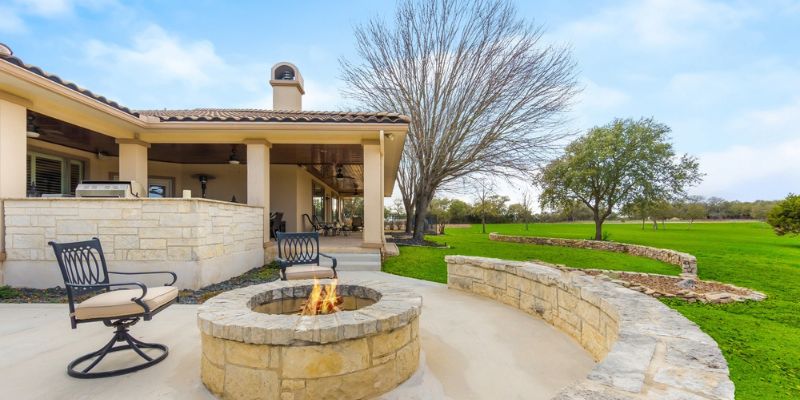
When crisp autumn air finally rolls across Metro Atlanta, backyard dreamers start picturing s’mores, cozy blankets, and glowing embers. Yet most homeowners still wait until spring to begin projects like patios or backyard fire pits—and that delay can cost time, money, and prime enjoyment. Below, Urban Nature Landscape reveals why November is hands-down the best month to start (and finish!) your new fire-friendly outdoor living space. Follow this guide and you’ll be roasting marshmallows long before the azaleas bloom.
Atlanta’s November Advantage in 60 Seconds
- Mild daytime temps (55-70 °F) mean concrete cures evenly without hairline cracks.
- Dry air & lower humidity reduce delays caused by Georgia’s spring rains.
- Contractor calendars are wide-open, so projects finish 25-40 % faster.
- Material suppliers offer end-of-season discounts, trimming 5-10 % off stone and paver prices.
- Permitting offices are slower, so approvals often land in days, not weeks.
Takeaway: November’s blend of cool, dry weather and lighter workloads creates a “golden window” for outdoor projects that won’t reopen until late summer.

Weather Sweet Spot: Ideal for Curing Stone & Concrete
Concrete poured in August can exceed 90 °F at the surface. Excess heat pulls moisture out too fast, weakening the slab. November’s mid-60s temps let water evaporate slowly, ensuring dense, durable patios that resist frost-heave and summer expansion. Your mortar joints stay solid, and natural stones keep their color because UV intensity is lower.
Pro tip: Ask your installer to cover fresh work with breathable tarps overnight to block any surprise freeze warnings (rare, but possible).
Faster Permits, Shorter Schedules, Happier Wallet
County offices that handle deck, porch, and outdoor projects see a surge each March. Starting in November means inspectors can visit your site within days. Crews aren’t juggling ten concurrent jobs, so they devote more hours per week to yours—finishing before holiday guests arrive.
Financially, late-season bulk-buy incentives on gravel, pavers, and veneer save Atlanta homeowners an average of $800 – $1,500 on mid-size patios. Those dollars stretch further toward built-in seating, accent lighting, or a stainless steel firewood box.
How to Make an Outdoor Fire Pit—Step-by-Step
Yes, Urban Nature Landscape handles everything for you, but if you’re curious (or love outdoor DIY projects) here’s the middle-school-friendly roadmap:
1. Choose Your Location
- Keep 10 ft from structures and trees.
- Check utility lines with 811.
2. Sketch Your Shape
- Popular circles range 36-48 in. inside diameter.
- Square pits complement modern patios.
3. Excavate & Level
- Dig 7-8 in. deep; tamp soil firmly.
4. Add Base Material
- Pour 4 in. of crushed gravel. Wet and compact.
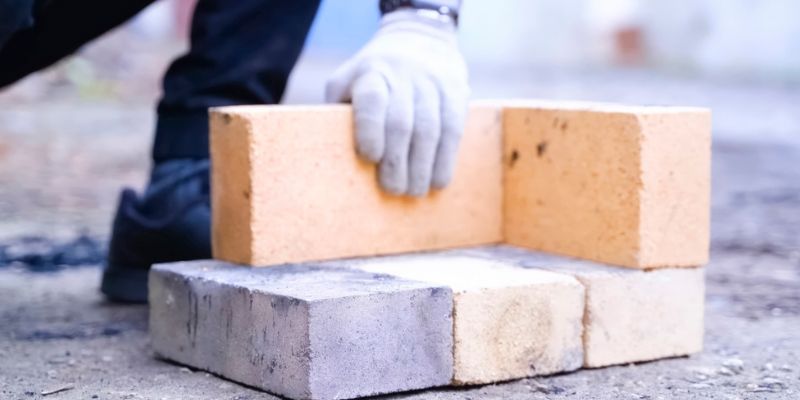
5. Lay Your First Course of Stones
- Use thick concrete blocks or natural fieldstone.
- Check level every third block.
6. Glue Subsequent Courses
- High-heat masonry adhesive holds blocks tight.
7. Install the Fire Ring (Optional but Smart)
- A steel or copper insert protects stones from extreme heat.
8. Fill With Fire-Safe Gravel
- 2-3 in. depth aids drainage.
9. Cure & Enjoy
- Wait 48 hrs before lighting your first bundle of seasoned firewood.
Types of Fire Pit Materials — Find Your Perfect Match
Natural stone, such as flagstone or fieldstone, gives your fire pit a rustic personality that melts right into the garden. Because every piece is unique, it’s perfect for free-form patios and organic landscape design ideas that mimic Georgia’s rolling hills. The trade-off is time: irregular shapes take patience to stack, and the hefty stones can bump up delivery costs—so be ready for a workout or call in the pros.
Concrete paver blocks bring clean lines and endless color choices to modern backyard fire pits. These manufactured blocks fit together like LEGO®, making them a smart pick for seat-wall combos or sleek outdoor projects near a contemporary home. Just remember to apply a penetrating sealer every three to four years; Atlanta’s UV rays and summer showers can fade unprotected pavers over time.
Brick offers vintage charm with warm red tones that tie beautifully into older Atlanta homes. The classic look helps new fire features blend with existing brick façades or historic patios. Keep an eye on your base prep, though—if the gravel bed isn’t perfectly level, mortar joints may crack and shift, especially during those rare winter freezes.
Steel or Corten rings create a sleek, industrial vibe and are ideal for small yards or move-able designs. Because metal radiates heat fast, you’ll feel the warmth even on chilly November evenings, making them great for quick “light-and-enjoy” nights. Just establish a safe zone for kids and pets, as the outer wall gets hotter than masonry styles.
Pre-cast fire-rated blocks are the weekend warrior’s best friend. Uniform shapes and an included installation guide turn “how to make an outdoor fire pit” into a straightforward Saturday project. The only real drawback is a limited color palette—and you’ll need high-heat adhesive between courses to lock everything in place.
Recycled lava rock or jewel-tone fire-glass isn’t structural—it’s the glamorous infill that tops off gas-burning pits. Black lava rock delivers a rugged, natural look, while fire-glass sparkles like gemstones for eye-catching centerpieces. Just avoid tossing in wood firewoods; sap and ash can discolor the glass and clog gas vents.
Safety, Codes & “Firewoods” That Burn Best
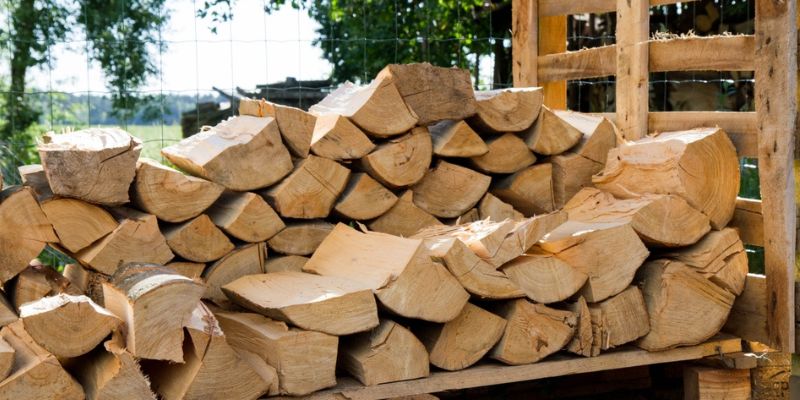
Georgia code (IRC 307) requires spark screens for outdoor fire pits within 25 ft of wooded areas. Urban Nature Landscape secures permits and ensures air gap spacing meets local ordinances. For fuel, stick to kiln-dried oak or hickory—avoid pine; its sap crackles and throws embers.
Quick Instructions: Stack logs tee-pee style, light with fatwood starters, and regulate airflow using a simple poker. Children should stand three feet away, and always douse coals with water before bedtime.
Landscape Design Tips to Blend Patios With Fall Foliage
November construction lets perennials lie dormant, so crews can trench footings without scorching summer roots. Plan curved seating walls to mimic rolling piedmont hills, and add low-voltage LEDs under capstones to make stonework glow against changing leaves. Incorporate ornamental grasses like pink muhly or native switchgrass for texture that sways behind the flame.
We’ll integrate your new fire feature into an overall landscape design plan—tying hardscape lines to existing walkways, gardens, and even future grill islands.
DIY vs. Pro Help: When to Call Urban Nature Landscape
Tamping gravel and stacking blocks are doable outdoor DIY projects, but gas lines, drainage, and retaining walls demand experience. Our certified hardscape crew:
- Uses laser levels to guarantee zero trip-hazards.
- Sources locally quarried stones for authentic Atlanta flair.
- Completes full builds in 5-7 workdays—vs. homeowner weekends that stretch all winter.
- We also add built-in log storage so firewoods stay dry and critter-free.
Light the First Log Before Winter Sets In
November’s mild temperatures, shorter permit lines, and off-season material discounts combine to create a rare sweet spot for building patios and fire pits in Atlanta. By starting now, you’ll give new concrete time to cure properly, avoid the spring contractor rush, and be ready to toast marshmallows while the holiday lights are still twinkling.
If you’d like expert help turning design ideas into a crackling reality, the team at Urban Nature Landscape is happy to walk you through layout options, material choices, and budget considerations—no pressure, just good conversation. Reach out and we’ll set up a complimentary on-site visit. Together, we can make sure your backyard becomes Atlanta’s coziest retreat long before the first frost.