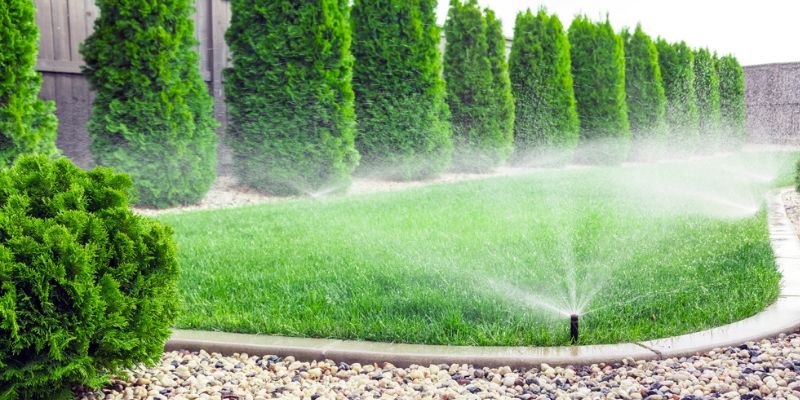
Summer afternoons that sizzle past 90 °F. Surprise thunderstorms that fill gutters in minutes. Weeks-long dry spells that leave lawns brittle. Caring for a landscape in Atlanta can feel like a seesaw between floods and droughts. Traditional sprinklers rarely get the balance right: they drench sidewalks, waste water, and invite fungus.
A modern, water-wise irrigation system is different. It reads the weather, knows your soil, and delivers every drop exactly where roots need it. The result? Lush turf, thriving garden beds, and monthly water bills that won’t make you wince. In this guide you’ll learn how what is an irrigation systems can transform your yard, why it matters for our unique red-clay soil, and how to choose, install, and maintain the right setup for long-term savings and sustainability.

What Is an Irrigation System and Why It’s a Game-Changer for Metro Atlanta
At its core, an irrigation system is simply a network of pipes, valves, and emitters that automates watering. A water-wise version adds brains to the brawn:
- Sensors track soil moisture, rainfall, and even slope.
- Smart controllers sync with local weather data to adjust run times on the fly.
- Low-flow delivery methods—like drip lines and micro-sprays—target the root zone instead of the air above it.
Because every zone behaves differently, the system can give thirsty zoysia sod one schedule while letting drought-tolerant perennials sip only when needed. That precision keeps plants healthier and slashes outdoor water use by up to 60 percent.

Meet the Water-Wise All-Stars
Drip Irrigation: Flexible tubing snakes beneath mulch, delivering droplets straight to the base of shrubs, flowers, and vegetable rows. Because water seeps slowly, clay soil can absorb it without puddling, and weeds in dry pathways never get a drink.
Micro-Sprays and Bubblers: For ground covers and densely planted beds, palm-sized heads emit soft funnels of water that stay below foliage and resist wind drift. Flow rates are low, but coverage is uniform, perfect for azaleas or liriope borders.
Smart Controllers & Sensors: Cloud-connected timers pull real-time forecasts from weather stations. If a thunderstorm rolls through at 3 a.m., tomorrow’s cycle cancels automatically. Soil-moisture probes buried in each zone provide an on-the-ground veto if roots are still damp.
Rain-Barrel & Cistern Tie-Ins: A one-inch rainfall on a 2,000 sq ft roof can yield more than 1,200 gallons of free water. With a pump or gravity feed, that captured runoff refills drip lines during dry weeks, further easing demand on municipal supplies.
Choosing the Best System for Atlanta’s Red-Clay Soil
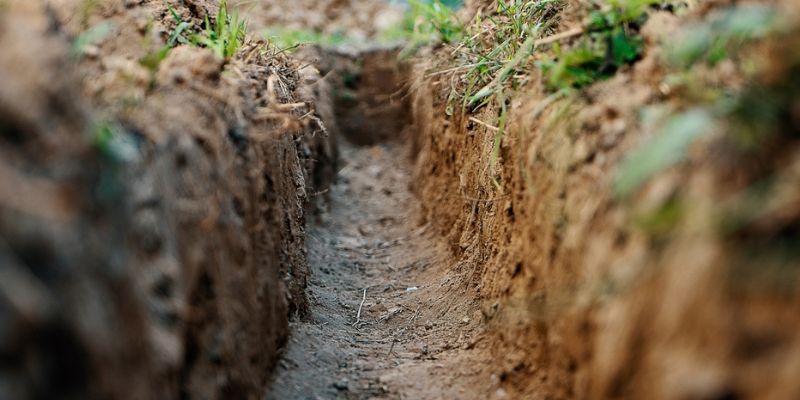
Red-clay holds water tenaciously yet repels it when baked hard. Start by digging a small test hole and timing how long it takes water to drain. If an inch disappears in more than three hours, favor drip emitters spaced 18–24 inches apart and run them less frequently but longer to encourage deep roots. Pair turf areas with high-efficiency rotary nozzles that spin larger droplets, minimizing wind loss. Finally, group plants by water needs—sun-loving turf, shaded azaleas, drought-tolerant native grasses—so each zone can operate on its own rhythm.
Seasonal Tune-Ups and Schedules
Spring: Flush lines, replace any emitters clogged by winter sediment, and set the controller to water three mornings a week. Cool nights mean roots absorb moisture slowly, so longer, deeper sessions beat frequent spritzes.
Summer: Atlanta heat ramps up evapotranspiration. Bump frequency to four mornings weekly but shorten each cycle by a couple of minutes to prevent runoff. Adding a fresh two-inch layer of mulch can cut surface evaporation by nearly one-third.
Fall: As daylight shortens, grasses and perennials need less to drink. Drop back to two irrigations weekly, and use the extra time to aerate compacted turf so the soil can store winter rain.
Winter: Most warm-season lawns go dormant. Shut down pop-up sprinkler zones and winterize exposed backflow preventers, but keep drip lines available for newly planted evergreens that still transpire on sunny days.
Money Matters: ROI and Water-Bill Savings
An average quarter-acre Atlanta yard using conventional spray heads can gulp 18,000 gallons in the peak month of July. Swapping to drip and smart scheduling often trims usage 8,000–10,000 gallons—about $40 in monthly savings at current rates. When you factor in lower fertilizer costs (nutrients stay in the soil instead of washing away) and fewer plant replacements due to rot or drought stress, most systems pay for themselves in three to five years.
Conclusion: Bring Smart Watering Home
Atlanta’s climate will always swing between steamy deluges and stubborn droughts, but your landscape doesn’t have to suffer the same extremes. By embracing a water-wise irrigation system, you’ll protect precious resources, lower your bills, and enjoy healthier plants that can handle whatever the forecast throws their way.
Urban Nature Landscape & Hardscape specializes in custom designs that match your soil, your plant palette, and your lifestyle. Ready to see how what is an irrigation systems can rewrite the rules of yard care?
Schedule a free on-site consultation today and let’s make every drop count.