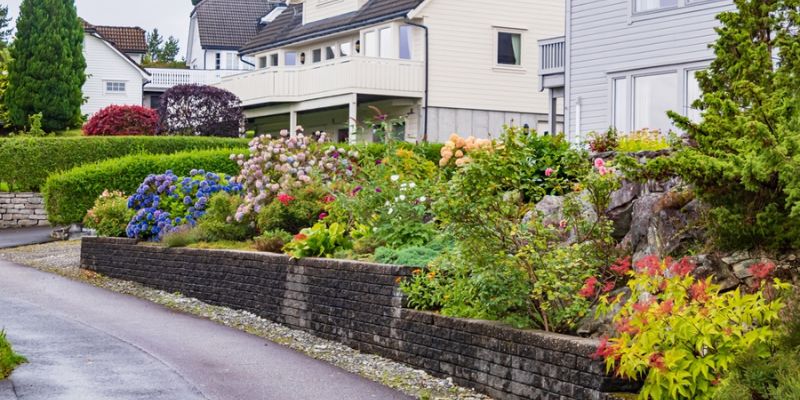
Atlanta’s red-clay hills are charming—until they start sliding toward your driveway after one of our trademark summer downpours. Whether you’re perched on a Buckhead bluff, terracing a Grant Park bungalow, or carving out patio space along the BeltLine, building a retaining wall can turn a precarious slope into rock-solid, eye-catching outdoor real estate. But before you stack the first block, you’ll need a game plan that blends city permits, clay-smart materials, and sound drainage engineering. This guide walks Atlanta homeowners through every step—from pulling Fulton County paperwork to choosing gabion baskets that drain like champs—so you can protect your foundation, boost curb appeal, and reclaim usable yard space with confidence.
Why Atlanta Yards Need Retaining Walls
Hilly intown neighborhoods like Grant Park and Buckhead sit on ever-shifting red clay. One torrential Chattahoochee downpour can turn gentle slopes into mini-mudslides. A well-designed retaining wall keeps soil where it belongs, protects foundations, carves out usable patio space, and boosts curb appeal that Atlanta’s hot housing market loves.

Choosing the Right Material for Georgia’s Red Clay
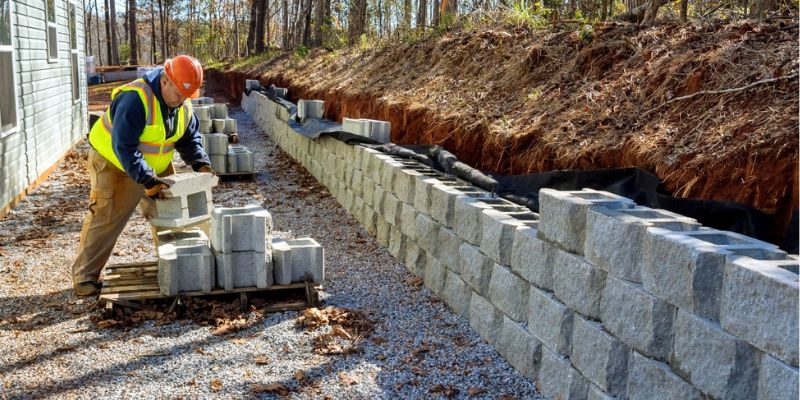
- Segmental Concrete Blocks – Mortar-less, self-draining, ideal DIY choice under 4 ft.
- Poured-in-Place Concrete – Strongest option for tall walls and pool decks; hides steel reinforcement.
- Natural Stone (Granite, Fieldstone) – Classic Southern charm that blends with Buckhead estate gardens; requires skilled masons.
- Pressure-Treated Timber – Budget friendly for 3-6 ft walls; shorter lifespan in humid summers.
- Gabion Baskets – Rock-filled wire cages add BeltLine-style industrial flair and drain beautifully on clay slopes.
Building a Retaining Wall: Step-By-Step Overview
- Site Survey & Call Before You Dig – Mark utilities and property lines.
- Excavate & Compact Base – Dig to frost depth (12-18 in. in Atlanta) and add 6 in. of crushed granite.
- Install Drainage – Lay perforated pipe wrapped in filter fabric, sloped 1 in. per 8 ft toward daylight or a dry well.
- Place the First Course – Level is everything; a laser-level saves headaches later.
- Backfill with No-Clay Aggregate – Replace reactive red clay with #57 stone or recycled concrete chips for the first 12-18 in. behind the wall.
- Add Geogrid for Walls > 4 ft – Horizontal mesh layers anchor the wall into the hillside.
- Cap, Grade & Landscape – Top blocks with adhesive, grade the slope away, and plant native sedges to reduce splash erosion.

Engineering for Clay Soil: Drainage & Reinforcement Tricks
Managing Atlanta’s clay means giving water somewhere to go—and the wall room to flex. Start with a double-barrel drain system: one perforated pipe at the footing and a second midway up on taller walls so rainwater never pools behind the face. Replace saturated red clay with free-draining aggregate like #57 stone or expanded shale, which hustles moisture away fast. Add discreet weep holes every four feet to bleed off any lingering pressure, and include expansion joints along long runs to let the structure “breathe” as the clay shrinks in August drought and swells after a September downpour.
Preventing Failure & Long-Term Maintenance
Retaining walls rarely collapse without whispering warnings first. Hairline cracks that grow wider than a dime, a subtle lean more than two degrees off plumb, or puddles that linger at the base after a storm all signal hidden forces at work.
A quick annual check-up keeps those issues at bay. Each spring, flush the drain lines with a garden hose to clear silt, reseal timber walls every three years to stave off rot, and replant any bare soil above the wall with deep-rooted groundcovers such as Georgia sedge to slow runoff. These small tasks cost pocket change compared to a full rebuild.
DIY vs. Hiring a Pro: Why Urban Nature Landscape Is Your Best Ally
Walls under four feet on gentle grades can be rewarding Saturday-morning projects, but anything taller or propping up a driveway deserves professional care. Urban Nature Landscape secures your permits, provides engineer-stamped drawings, and schedules county inspections so the job never stalls. Our compact excavators glide through tight Midtown side yards, and every wall we build carries a five-year structural warranty, ensuring peace of mind long after the last block clicks into place.
Final Thoughts
“Building a retaining wall” in Atlanta isn’t just stacking blocks—it’s a blend of geology, local code, and smart engineering. Follow the guidance above, lean on trusted pros when walls grow taller, and you’ll have a landscape feature that stands strong through Georgia’s steamy summers and surprise ice storms.